We crossed the Jutland peninsula from east to west, enjoying the straight, well surfaced roads – even the back roads are well maintained in Denmark. Just a few minor points about the Danish way of living (huge generalizations I know, but it’s what we’ve noted.) 1. The majority of Danish houses are bungalows – upstairs rooms are built into the roof space rather than having a full two stories. Quite a few houses have basements. 2. The Danes being so hot on design, are also bang up-to-date with recycling – bins are provided for everything. 3. Huge anaerobic digesters are very common, and we’ve seen ‘Biogas’ lorries transporting the resulting gas. 4. Tesla cars are ’10 a penny’ here! This is not a poor nation! 5. There must be money in Christmas tree plantations – they are everywhere! 6. Danes are very patriotic. Most houses have a flag pole and flags are flown for every celebration – family occasions as well as royal birthdays and official holidays.

From Auning we moved south-west to a campsite near Esbjerg, on Jutland’s west coast. As part of the World Heritage UNESCO Wadden Sea National Park, we enjoyed some good walks through wetlands, woods, heathland, and sandy beaches. Annoyingly, it wasn’t warm beach weather whilst we were there!

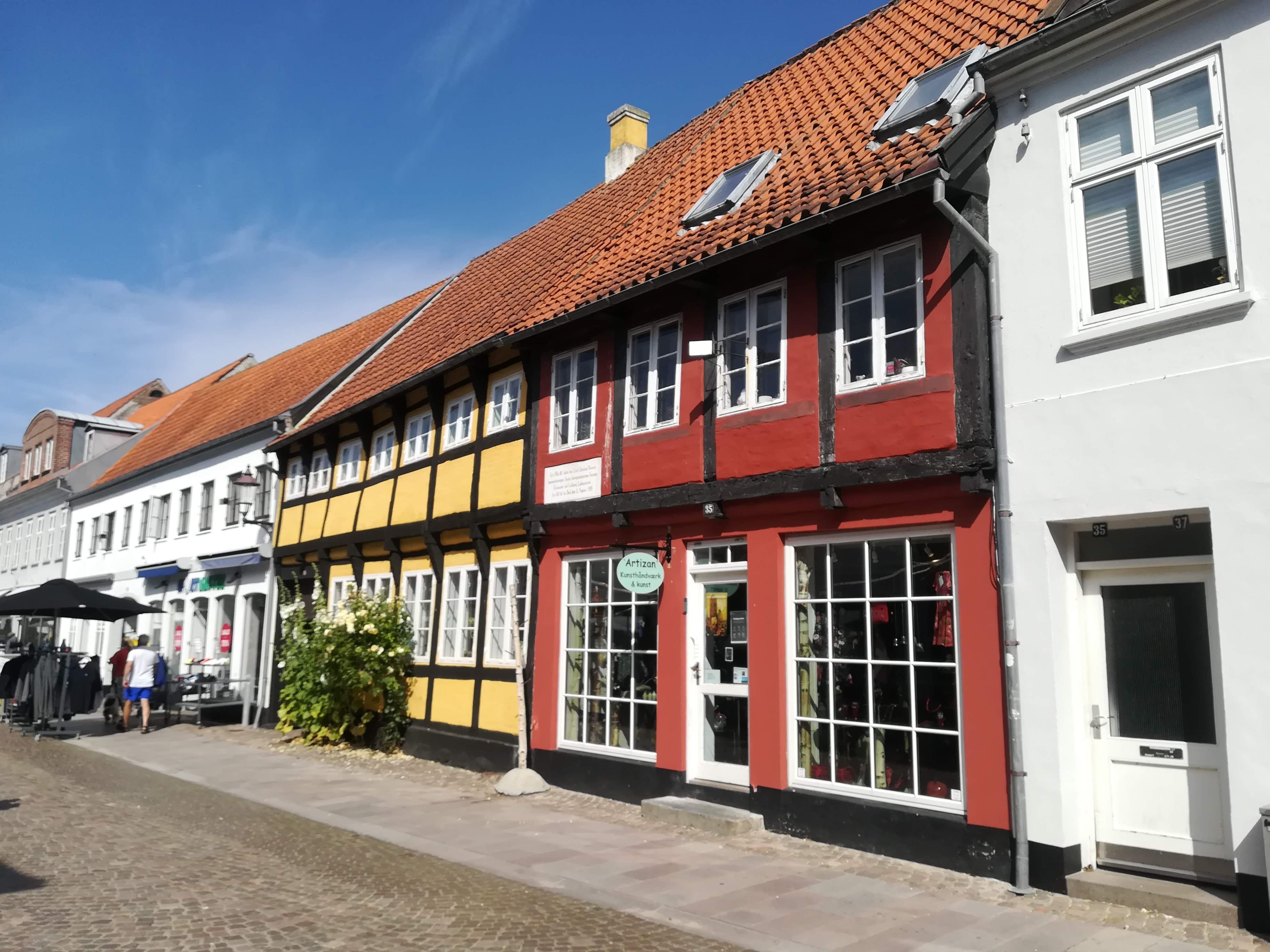
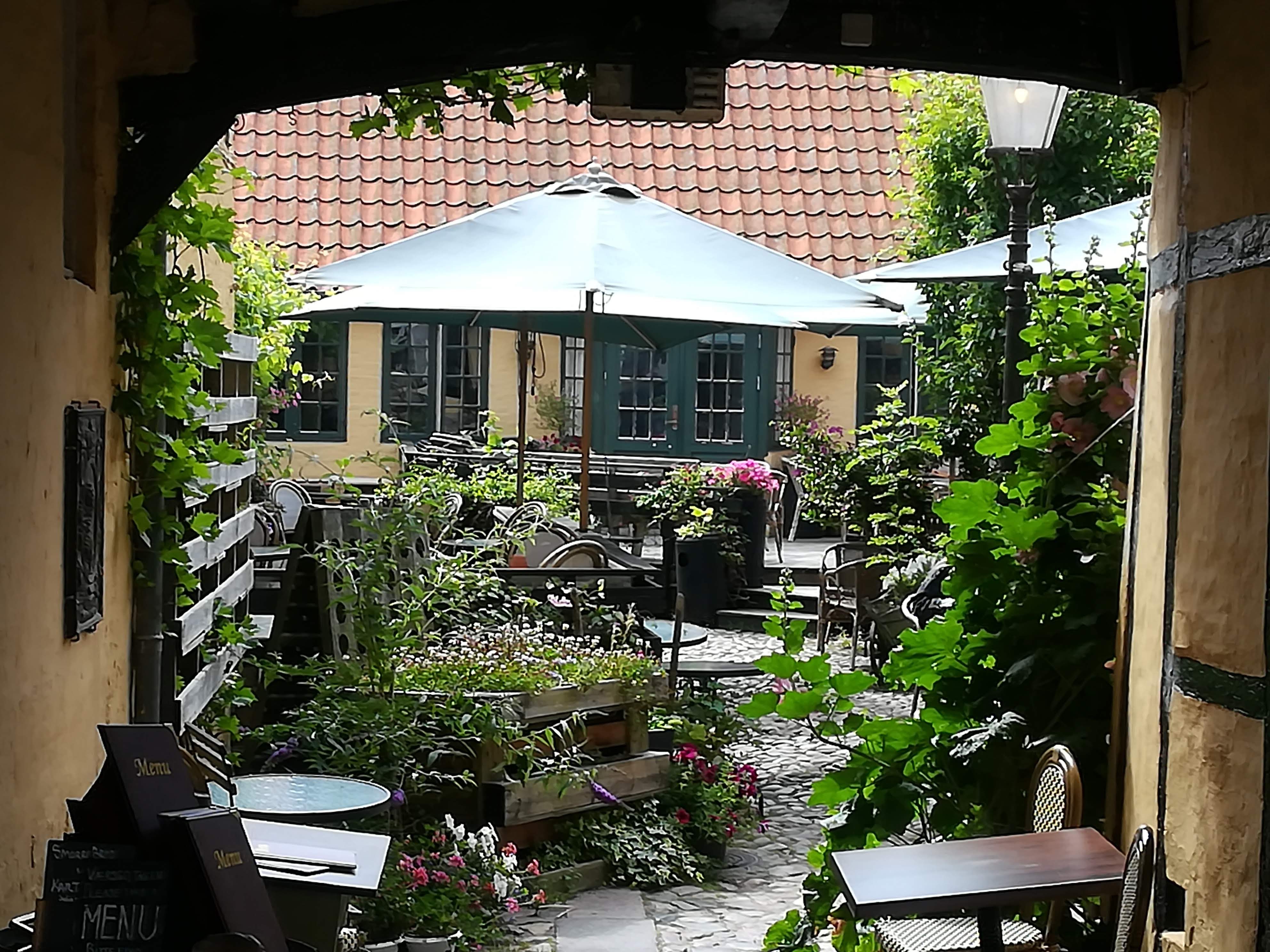
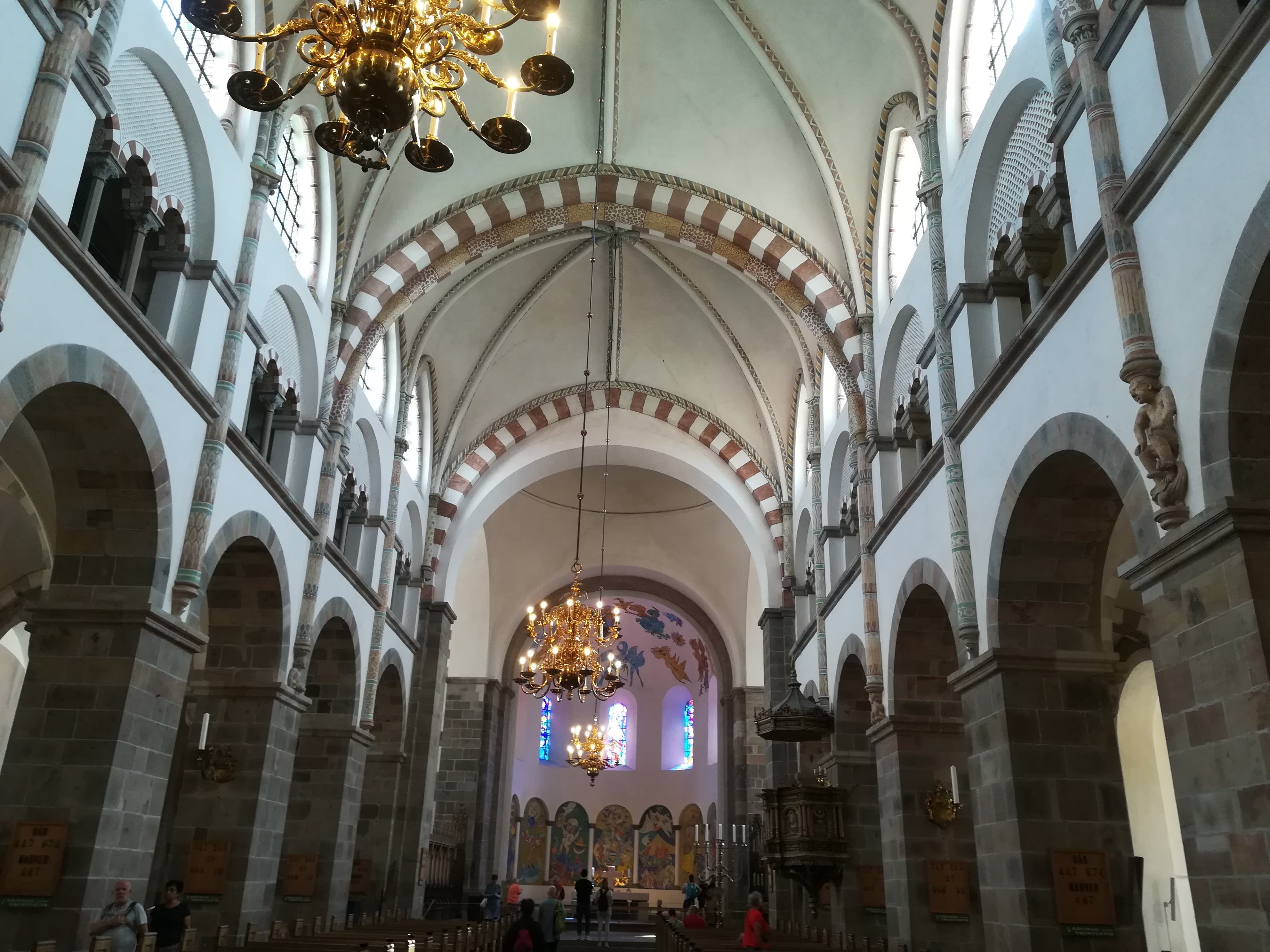
On our journey south, we stopped to see the town of Ribe – Denmark’s oldest town which dates from the 9th century. It is full of half-timbered old houses, and idyllic narrow streets. The splendid cathedral is the nation’s oldest (dates back to 948!) and sits proudly in the centre of town. Its tower serves as a look-out point for approaching floods. Ribe had a good vibe, crowded with happy tourists on a lovely summer’s day.
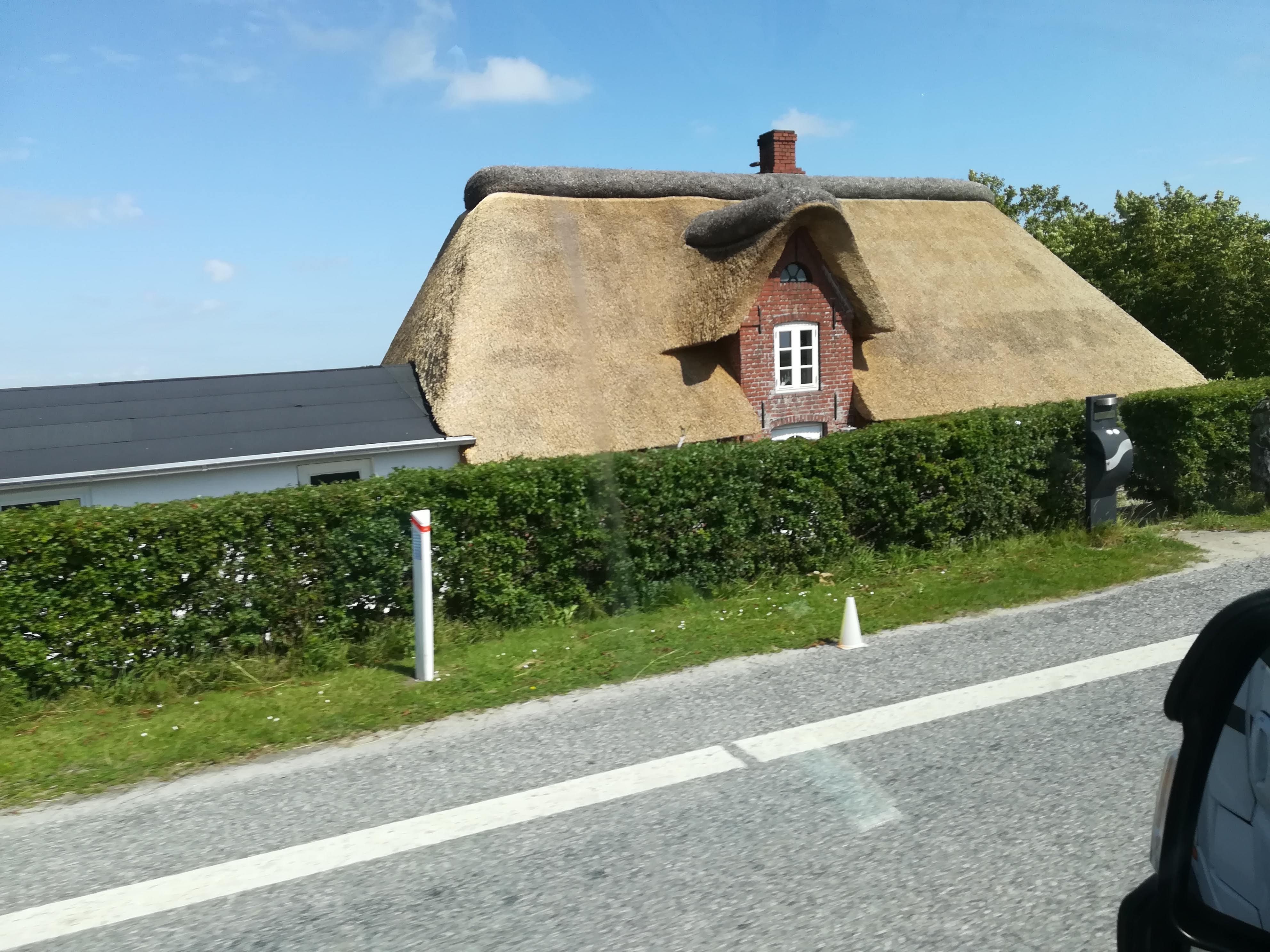
Moving south into Northern Germany, we spent some time in the state of Schleswig-Holstein. Lots of villages, built around a farm or two, and many with some Geestharden houses – based on the original long houses, built alongside the barn, in the local red brick and with thatched roofs. Interestingly the front door is always under a gable as a safety precaution. If the thatch were to catch fire, the incumbents should be able to escape without burning thatch embers falling on their heads.

As a complete change, we stayed on a site next to the Kiel Canal. As you’ll all know, Peter is keen on canals, so this was a ‘must visit’. We were not disappointed. This 98 km canal links the North Sea in the west with the Baltic Sea in the east. It was originally built in 1890 and has been widened since. Nowadays it has more ‘traffic’ than any other canal in the world. Upwards of 250 ships per day, use this canal! Very high railway and motorway bridges tower over the canal, small ferries take local traffic to and fro. Well maintained towpaths run along both sides. Walking along as a container ship passes, makes one realize how big these ships are, and just how small and insignificant we are. Using the canal instead of sailing all the way around the Jutland peninsula, saves the ships about 460km (250 nm) of travel.


We visited the locks at the North Sea end of the canal near the mouth of the River Elbe. The locks are 45 m wide and 327 m long – a little bigger than the locks we passed through at Christmas in our narrow boat! Two or three container ships can fit in the locks at any one time.

In order to head southwest, we had to take a ferry across the River Elbe – this huge river only has two crossings – the ferry, or a tunnel in Hamburg. Bad planning on our part meant that we joined the ferry queue on a Friday afternoon on the first day of the school holidays! Two hours later we did the 20 minute crossing. No worries, we prepared and ate our lunch as we inched forward in the queue. AND it saved more than 100 miles travel as well as facing traffic in Hamburg on a Friday afternoon.


We head further south and west tomorrow and cross back into Holland. Cannot believe where the time has gone, we only have six days of holiday left. I’ll add the final few days, and some summing up once we’re home.
 Molly's Folks
Haha, does Ribe in Danish rhyme with vibe? Quite an adventure. X
LikeLike
Another fascinating blog. We’re just about to start the few days of Level 4 heat wave!
LikeLike
Just looked at our photos of Ribe, we visited in the rain.
LikeLike
Always interesting facts and you often have me scuttling around on Google Earth looking up places …. today was the canal.
LikeLike
Yes, it’s on trips like this that I realize how bad my geography knowledge is!
LikeLike
I loved hearing about the canal. Did you get to see the Welland Canal when you were in Canada? The ships that pass through there only have a few inches to spare each side. Safe travels home!
LikeLike
Yes, I visited the Welland Canal many times during my childhood, as we had good friends in St Catherines.
LikeLike
Dear P & M – having never been to Denmark, I have enjoyed reading your educational blog. Most interesting. Trust it’s not too hot out there – today in Cornwall it is now becoming unbearable! Cheers, Phil
LikeLike
Glad you enjoyed it. Make the most of your time by the sea… In three weeks time we’ll all be moaning that it’s cold & miserable!
LikeLike
What wonderful geography lessons your Molly talks are. I have so enjoyed reading them.
LikeLike